How the Bitget Wallet Brand has Evolved
Product
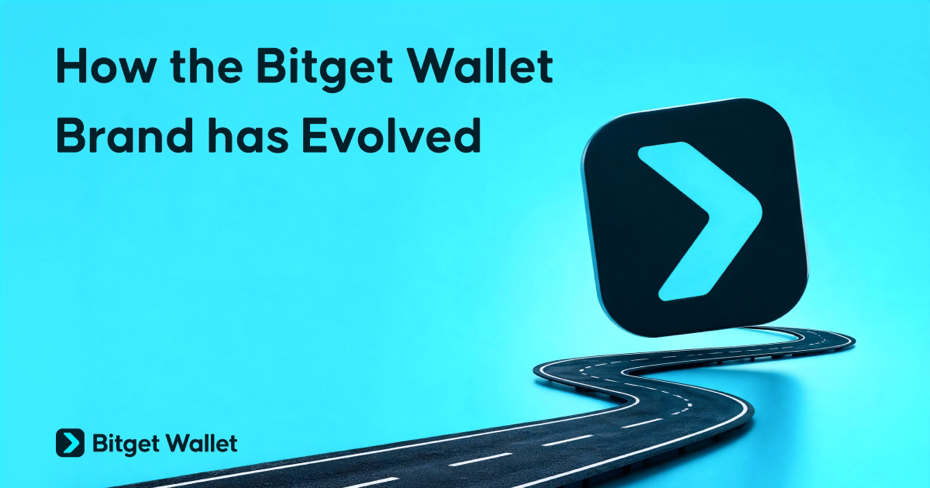
Eight years ago, Bitget Wallet looked very different.
Different name, different logo, different reason for existing. It started in 2018 as BitKeep, a multi-chain wallet for crypto-native users and then became Bitget Wallet in 2023 as the product grew into a broader Web3 platform. And three years after that, the identity changed again – simpler, more approachable, built around a much bigger idea:
Everyday finance, powered by crypto.
Across those eight years, our brand has taken three distinct forms. Each one marked more than a new look. Each reflected a shift in the product, the people using it, and what we believed a crypto wallet could actually be. From accessing Web3, to trading onchain, to using crypto in everyday financial life – this is how Bitget Wallet evolved.
2018–2022: BitKeep and the multi-chain era
When BitKeep launched in May 2018, crypto was a different world. Ecosystems were fragmented. Wallets were usually built around a single network, and moving assets across chains demanded real technical knowledge. BitKeep made a different bet: the future would be multi-chain.
That bet shaped everything, starting with the brand. The BitKeep identity was unmistakably crypto-native – a purple geometric mark that belonged to an era of experimentation, new protocols, and fast-expanding blockchain ecosystems. The product matched it. BitKeep broadened multi-chain asset management, opened up DeFi access, connected mobile and browser, and gave users one place to explore a growing onchain world.
Over time, trading moved to the center of that experience. By 2022, BitKeep had outgrown the product that launched four years earlier. A multi-chain wallet had become a much broader gateway into Web3 and the identity needed to catch up.
2023–2024: Becoming Bitget Wallet
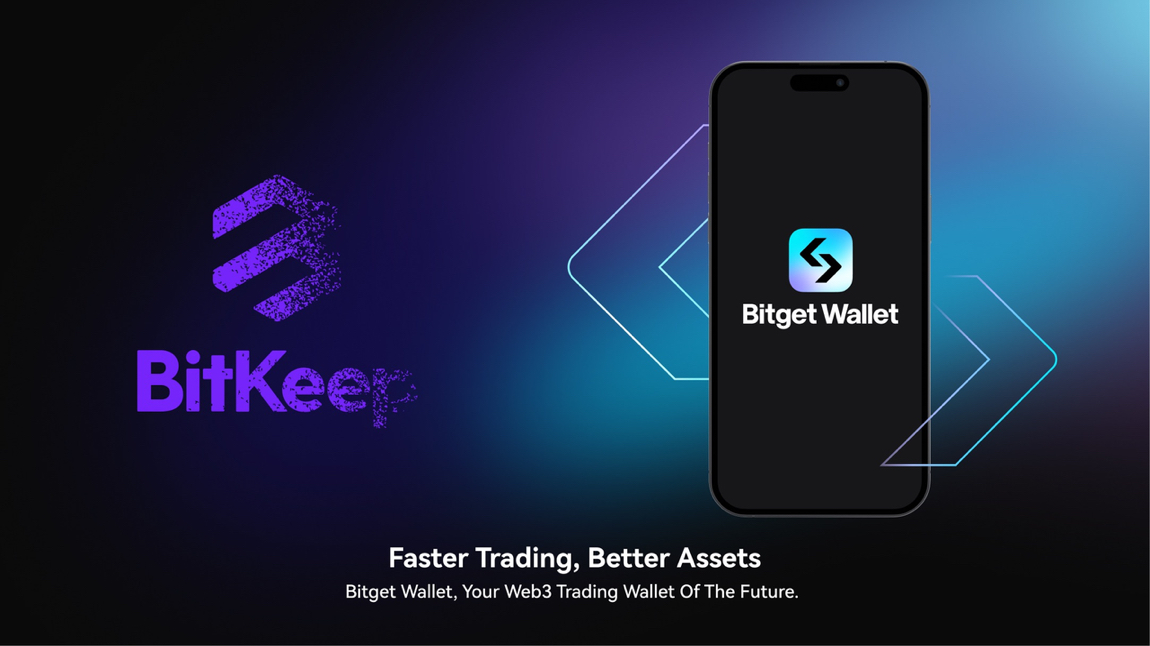
In 2023, BitKeep became
Bitget Wallet. Following Bitget's investment, the new name brought the wallet into the wider Bitget ecosystem and opened a new chapter. The purple symbol gave way to a new identity built around two arrows, signifying exchange and trading.
The two arrows spoke to movement and speed. They tied the wallet visually to the Bitget brand family and reflected what it had become: a more powerful way to move through Web3.
The change ran deeper than a logo. Bitget Wallet expanded its trading tools, added limit orders, strengthened its security with MPC technology, and grew coverage past 100 blockchain networks. This was no longer just a place to hold assets across chains. It was becoming a place to
trade, discover, and manage more of your onchain life from a single interface.
By 2024, Bitget Wallet had reached 60 million users – and their needs were shifting. Stablecoins were becoming a practical way to hold and move digital dollars. People wanted to earn on their balances, send money across borders, and connect those assets to everyday spending. A wallet built for navigating and trading Web3 was starting to serve a far broader purpose. That called for another evolution.
2025–Today: Everyday finance, powered by crypto
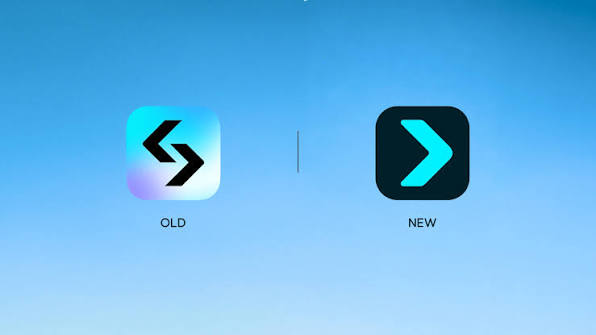
In 2025, we introduced a vision:
Crypto for Everyone
. As crypto's audience grew, we believed it had to become simpler and more accessible. That idea led to a much bigger question – what if the wallet wasn't only where people used crypto, but where they managed more of their everyday financial lives?
So today, Bitget Wallet looks simpler than ever. The two arrows became
one. That single forward arrow is a more direct path between people and what they want to do with their money. Its rounded form feels approachable and everyday, while keeping the forward motion that's always defined the brand.
The simplification is deliberate.
As the product has grown more capable, the brand has grown simpler. What sits under that arrow now does far more than the wallet of 2018 – but users should have to understand less of the complexity that makes it work, not more.
That philosophy is captured in how we describe Bitget Wallet today:
Everyday Finance, powered by crypto.
It extends Crypto for Everyone. Making crypto accessible isn't just about bringing more people onchain. It's about making crypto genuinely useful for the financial things people already do every day – moving beyond a wallet built around assets and trading, toward one built around the full lifecycle of money.
Trade. Earn. Pay.
Trading is still part of the foundation, with access to crypto and tokenized global assets across more than 130 blockchains. But it now sits alongside ways to earn on digital dollars, send money globally, and spend directly from a self-custodial account.
Payments have become central. Stablecoin QR payments connect wallet balances to familiar local systems. Visa and Mastercard cards make crypto spendable in daily life. Bank transfers link stablecoins to local financial accounts. Stablecoin earning products put idle balances to work.
At the same time, the experience keeps getting simpler. Social login makes signing in feel familiar. Gas abstraction removes the need to think about network fees. Multi-chain infrastructure disappears under a unified interface. The result is a real shift in what the wallet is for:
from trading crypto to doing more with your money.
By 2026, Bitget Wallet had passed
100 million users. What began as a multi-chain crypto tool had become a self-custodial interface for everyday finance.
Three looks, three chapters
Put the three identities side by side, and they tell much of the story on their own.
|
|
BitKeep (2018–2022)
|
Bitget Wallet (2023–2024)
|
Bitget Wallet (2025–Today)
|
|
Logo
|
|
|
|
|
Brand slogan
|
Multi-chain Web3 Access
|
Faster Trading, Better Assets
|
Everyday finance, powered by crypto
|
|
Core features
|
Access & explore
|
Trade & manage
|
Trade, earn & pay
|
|
Product direction
|
Multi-chain wallet
|
Web3 trading wallet
|
All-in-one wallet for everyday finance
|
|
Audience
|
Crypto-native
|
Broader Web3
|
Everyday global users
|
The first identity belonged to an era when the challenge was getting into Web3. The second reflected a wallet becoming a more powerful way to navigate and trade onchain. The third reflects a much bigger ambition:
using crypto to power everyday financial life.
There's a pattern in that arc of the brand becoming simpler – from an abstract symbol, to two arrows, to one. From navigating blockchain ecosystems, to simply choosing what you want to do with your money. The complexity didn't vanish. It moved underneath the experience.
What "everyday finance" means
Calling Bitget Wallet an everyday finance app doesn't mean leaving crypto behind. It means giving crypto a different job. Instead of being the destination,
crypto becomes the infrastructure.
Stablecoins move value globally. Blockchain provides open financial rails. Self-custody gives people ownership. Onchain markets open access to assets that increasingly cross traditional borders. But you don't need to start with any of that. You can start with what you want to do: hold digital dollars, reach global markets, earn, send money, or pay.
That thinking rests on four principles:
-
Access: Financial opportunity shouldn't depend on where you live. Crypto can open access to digital dollars, assets, and global markets through a phone.
-
Borderless: Money should move globally, the way information already does.
-
Simplicity: You shouldn't need to understand blockchain to benefit from it. Chains, routing, and gas should fade behind the experience.
-
Ownership: Simpler finance shouldn't mean giving up control. Self-custody keeps ownership with you.
Together, they explain the shift – from building a better crypto wallet to a broader ambition:
making everyday finance work better through crypto.
One direction, a bigger ambition
Eight years ago, the challenge was giving people a way into Web3. Today, it's making crypto useful enough to power everyday financial life. Three logos, one trajectory: from an abstract symbol, to two arrows, to a single one pointing forward. Each step stripped something away – and each time, the product underneath got bigger.
The wallet does far more than it did in 2018, but our job now is to make that power invisible. You shouldn't think about blockchain rails when you pay for something, or bridging when you move money, or need to become an expert before digital dollars and global markets are yours to use.
The arrow points one way, at what your money can do next:
Everyday finance, powered by crypto.
Download the Bitget Wallet brand kit
here.
 2026-09-03
 Make Market Calls with Callouts on Bitget Wallet
Recommended