


Gravity Listing Airdrop and Launch Date: How $GRVT Liquidity Shape Early Price
Gravity (GRVT) listing is around the corner! Exciting news for cryptocurrency enthusiasts! Gravity (GRVT), an institutional-grade hybrid crypto exchange token built on zkSync that bridges DeFi self-custody with centralized exchange performance, is preparing for its official Token Generation Event (TGE).
Starting with the upcoming Token Generation Event (expected in Q1 2026, exact date not yet officially confirmed), eligible users will receive $GRVT through community rewards and platform participation programs, while no centralized exchange listings, trading pairs, or trading start times have been officially announced yet; to prepare for potential market access, Bitget Wallet offers secure stablecoin storage, hot memecoin trading, and a seamless cross-chain experience once GRVT becomes publicly tradable.
This marks a significant milestone for the Gravity (GRVT) community and opens up new opportunities for traders worldwide as the platform transitions from a points-based reward system to a live token economy. This article explores everything you need to know about the $GRVT launch, including how to prepare for potential exchange listings, key project details, and why this launch matters for participants in the evolving on-chain trading ecosystem.
Gravity (GRVT) Listing: Key Details and Trading Schedule
1. Key Listing Information
Here are the important details about the Gravity (GRVT) listing:
- Exchange: To be announced
- Trading Pair: GRVT/USDT
- Deposit Available: Q1 2026
- Trading Start: Q1 2026
- Withdrawal Available: Q1 2026
Don’t miss your chance to start trading Gravity (GRVT) on exchanges once officially announced and be part of this groundbreaking hybrid on-chain trading infrastructure journey.
- Please refer to the official Gravity announcement for the most accurate schedule.
From On-Chain Data: Gravity (GRVT) Price Prediction 2026
Since Gravity (GRVT) is expected to undergo its Token Generation Event (TGE) in 2026 and has not yet entered full public price discovery, direct on-chain trading metrics remain limited. Therefore, this forecast references comparable exchange-infrastructure tokens such as DYDX, GMX, and AEVO, alongside early ecosystem growth models and post-listing behavior patterns.
Key indicators such as projected holder growth, potential whale positioning, and expected exchange liquidity dynamics provide a structured framework for evaluating GRVT’s possible price trajectory in 2026.
On-Chain Indicators
-
Holder Growth Rate:
Based on Santiment data for comparable derivatives exchange tokens, wallet growth in the first 30–60 days post-listing often increases by 30%–70%, driven by airdrop distributions and speculative inflows. If GRVT experiences similar adoption velocity in 2026, accelerating wallet growth would signal strengthening demand.
-
Whale Activity:
Nansen tracking of similar exchange tokens shows that wallets holding >1% of supply typically accumulate during the first 2–4 weeks if launch valuation is perceived as conservative. Comparable tokens have recorded $5M–$25M equivalent accumulation in early trading phases, often preceding short-term bullish volatility.
-
Exchange Reserves:
Historical CryptoQuant data indicates that newly listed exchange tokens often see an initial 20%–40% increase in exchange reserves as liquidity providers deposit tokens. A subsequent decline in reserves can indicate accumulation and reduced immediate sell pressure.
Predicted Price Range Based on On-Chain Trends
Assuming a moderate launch FDV between $150M–$400M, aligned with comparable hybrid exchange tokens.
| Time Frame (2026) | Predicted Price Range | On-Chain Signals |
| Short-term (0–3 months post-listing) | $0.25 – $0.70 | Whale positioning, liquidity formation, price discovery volatility |
| Medium-term (3–6 months) | $0.40 – $1.00 | Holder base expansion, trading volume growth |
| Long-term (12 months or more) | $0.90 – $1.80+ | Institutional adoption, revenue-linked token utility, ecosystem scaling |
Source: CoinMarketCap, CoinGecko, Nansen, CryptoQuant, Santiment
Note: The price prediction is based on comparable exchange token behavior and third-party analytical models at the time of writing. It does not represent the official stance of Gravity or Bitget Wallet. GRVT does not yet have confirmed live market pricing. Please conduct your own research and refer to official market data before making any investment decisions.
Source: Bitget Wallet
What Is Gravity (GRVT): Everything You Need to Know
Gravity (GRVT) is a hybrid on-chain trading infrastructure built on zkSync, designed to combine decentralized self-custody with the performance and user experience of a centralized exchange. The project integrates high-speed orderbook trading with on-chain settlement, aiming to deliver institutional-grade derivatives trading while maintaining user asset control.
Gravity’s mission is to bridge the gap between traditional finance (TradFi) and decentralized finance (DeFi) by offering a compliant, scalable, and secure trading environment powered by zero-knowledge rollup technology.
Key Features
-
Hybrid Orderbook Model:
GRVT combines off-chain matching speed with on-chain settlement, allowing users to trade with centralized exchange performance while maintaining blockchain transparency.
-
zkSync Layer-2 Infrastructure:
Built on Ethereum’s zkSync ecosystem, GRVT benefits from lower transaction costs, faster execution, and enhanced scalability compared to mainnet trading.
-
Institutional-Grade Derivatives Trading:
The platform focuses on perpetual futures and structured trading products tailored for both retail and professional traders.

Source: X
Gravity (GRVT) is preparing for its Token Generation Event (TGE) in 2026, marking a major step in its transition from a trading platform with reward incentives to a fully operational tokenized ecosystem. Market participants are closely watching upcoming listing announcements and ecosystem expansion plans as GRVT moves toward broader public adoption.
How Gravity (GRVT) Works and Delivers Value
The architecture of Gravity (GRVT) is designed with multiple elements that work together to support adoption and provide lasting value within its hybrid trading ecosystem.
1. Blockchain Infrastructure
Utilizes Ethereum Layer-2 (zkSync) to optimize transaction efficiency and reduce costs. By combining off-chain orderbook matching with on-chain settlement, Gravity delivers high-speed trade execution while maintaining blockchain-level transparency and security. This hybrid structure enables scalable derivatives trading without the congestion and high gas fees associated with Ethereum mainnet.
2. Token Utility
Serves as an ecosystem incentive and governance token within the Gravity platform. GRVT is expected to facilitate trading rewards, potential fee benefits, staking participation, and broader ecosystem engagement. As platform activity increases, token utility is designed to align with user participation and trading volume.
Governance & Community Engagement
Holders of $GRVT can participate in governance decisions related to platform upgrades, ecosystem incentives, and token distribution mechanisms. Community involvement is expected to play a role in shaping the long-term development of the Gravity trading infrastructure.
The Team Behind Gravity (GRVT): Experts Driving Innovation
The Team
-
The Team:
Gravity (GRVT) is developed by a team with backgrounds in traditional finance, derivatives trading, and blockchain infrastructure. The project positions itself as a bridge between institutional finance and decentralized markets, reflecting experience in exchange architecture and regulated financial systems.
-
The Vision:
The core vision behind GRVT is to merge centralized exchange performance with decentralized settlement. By leveraging zkSync Layer-2 technology, the team aims to build a compliant, scalable, and institutional-grade on-chain derivatives platform that supports both retail and professional traders.
-
The Partnerships:
Gravity is built on zkSync, integrating Ethereum Layer-2 scalability into its trading engine. The project has also emphasized ecosystem collaborations within the broader Ethereum and zero-knowledge rollup landscape to strengthen infrastructure and liquidity development.
Expert Insights
Market analysts observing hybrid exchange models note that combining off-chain matching engines with on-chain settlement may represent a practical evolution in crypto market structure. Projects like GRVT that focus on compliance, capital efficiency, and institutional usability could appeal to traders seeking performance without fully relinquishing self-custody. However, long-term success will depend on sustained trading volume, liquidity depth, and effective token utility integration.
Key Use Cases of Gravity (GRVT): How It’s Transforming the On-Chain Derivatives Industry
Gravity (GRVT) is designed to modernize on-chain derivatives trading by combining centralized exchange performance with decentralized settlement. Its core use case is enabling high-speed perpetual futures trading through an off-chain orderbook while settling trades on-chain for transparency and security.
Another important use case is providing infrastructure for professional traders who require deep liquidity, low latency, and structured trading products. By operating on zkSync Layer-2, Gravity reduces transaction costs and improves scalability compared to traditional Ethereum-based trading environments.
GRVT also supports ecosystem growth through trading incentives and participation rewards, helping bootstrap liquidity and encourage sustained platform engagement. As the ecosystem expands, the token is expected to play a role in governance and potentially staking mechanisms aligned with trading activity.
How Gravity (GRVT) Is Transforming the Industry
Gravity is transforming the on-chain trading landscape by introducing a hybrid exchange model that addresses the long-standing trade-off between speed and decentralization. Instead of forcing users to choose between centralized custody and slower on-chain execution, the platform integrates both elements into a single architecture.
By leveraging zkSync’s zero-knowledge rollup technology, Gravity enhances capital efficiency while maintaining Ethereum-level security. This approach positions GRVT within a new generation of exchange infrastructure projects aiming to bridge institutional finance and decentralized markets.
Gravity (GRVT) Roadmap: Key Milestones and Future Developments
The roadmap for Gravity (GRVT) outlines a structured path toward expanding its hybrid exchange infrastructure and strengthening its role in the on-chain derivatives sector.
| Quarter | Roadmap |
| Q1 2026 | Token Generation Event (TGE), initial token distribution to eligible participants, expansion of trading incentives and liquidity programs. |
| Q2 2026 | Broader exchange listing expansion (subject to announcement), enhancement of perpetual futures products, and deeper zkSync ecosystem integration. |
| Q3 2026 | Introduction of advanced trading tools, potential staking or governance activation, and institutional onboarding initiatives. |
| Q4 2026 | Ecosystem scaling phase, cross-platform liquidity partnerships, structured product expansion, and refinement of revenue-aligned token utility mechanisms. |
These developments highlight the practical value of $GRVT in the on-chain derivatives and hybrid exchange infrastructure industry, where scalability, capital efficiency, and institutional-grade performance are increasingly important.
How to Buy Gravity (GRVT) on Bitget Wallet?
Trading Gravity (GRVT) is easy on Bitget Wallet. Follow these simple steps to get started:
Step 1: Create an Account
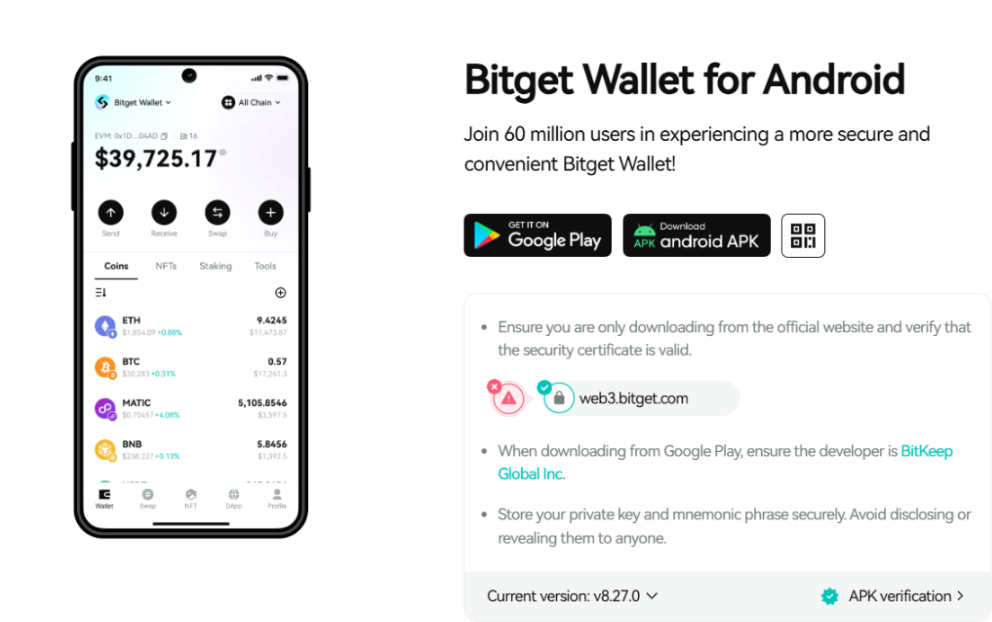
If you don't currently have an account, install the Bitget Wallet app. Register by inputting the required details and confirming your identity.
Step 2: Deposit Funds
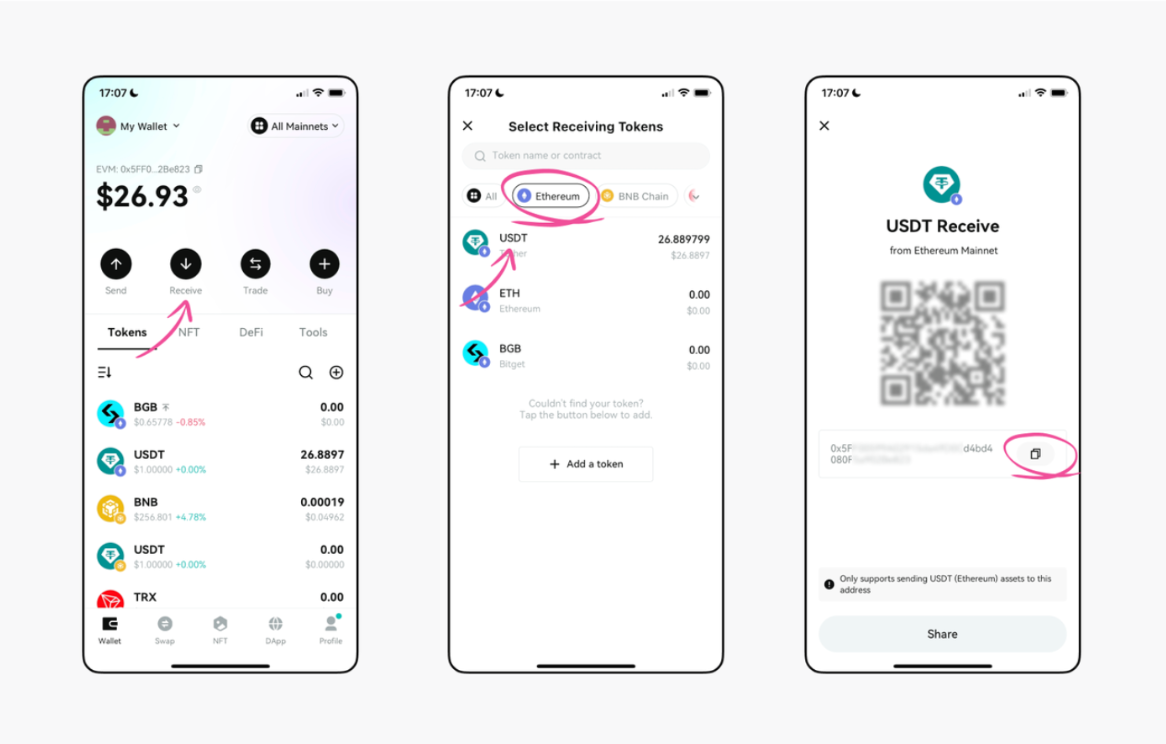
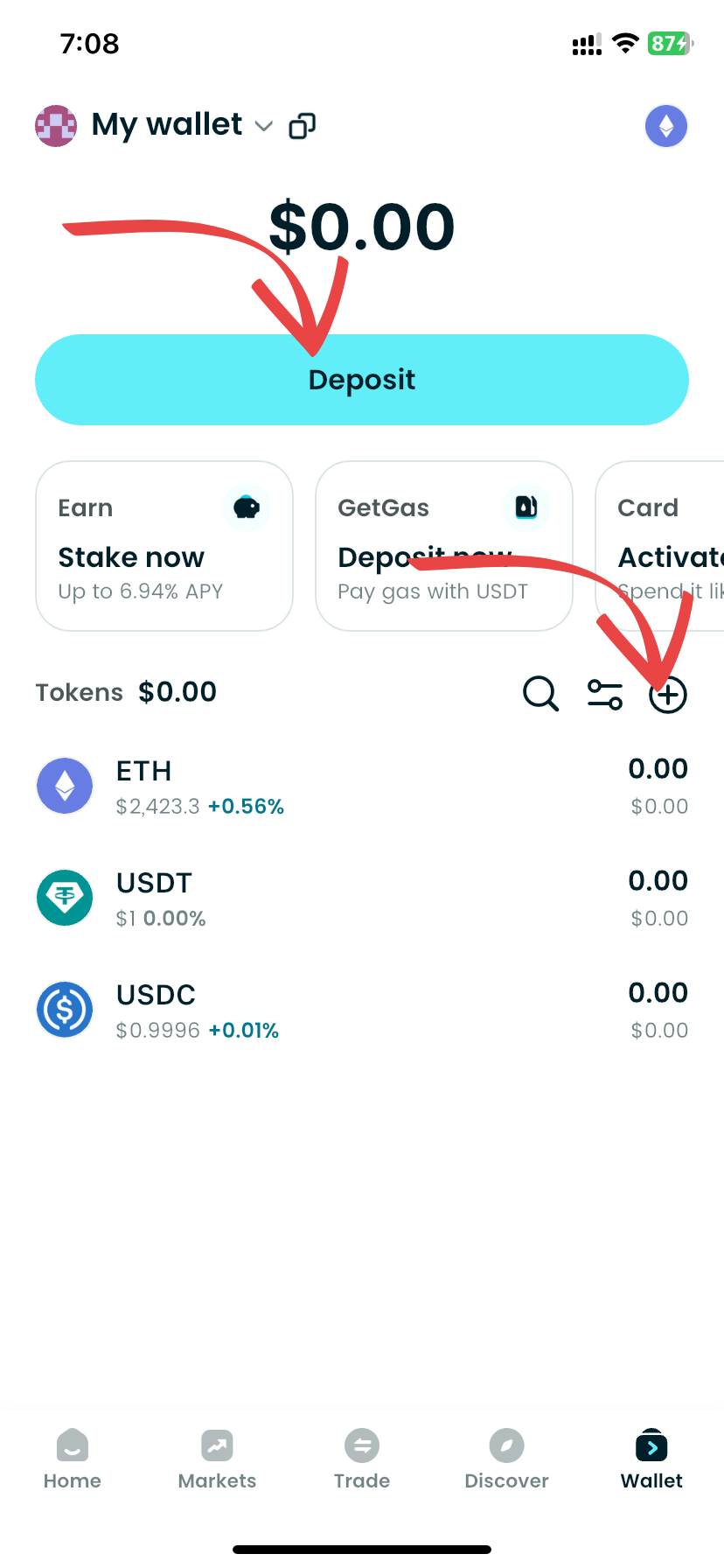
After setting up an account, you must deposit money. You can do this by:
- Transferring Cryptocurrency: Transfer crypto from a different wallet.
- Purchasing Crypto: Utilize a credit or debit card to buy crypto directly from Bitget Wallet, making sure you have sufficient capital for trading Gravity (GRVT).
Step 3: Find Gravity (GRVT)
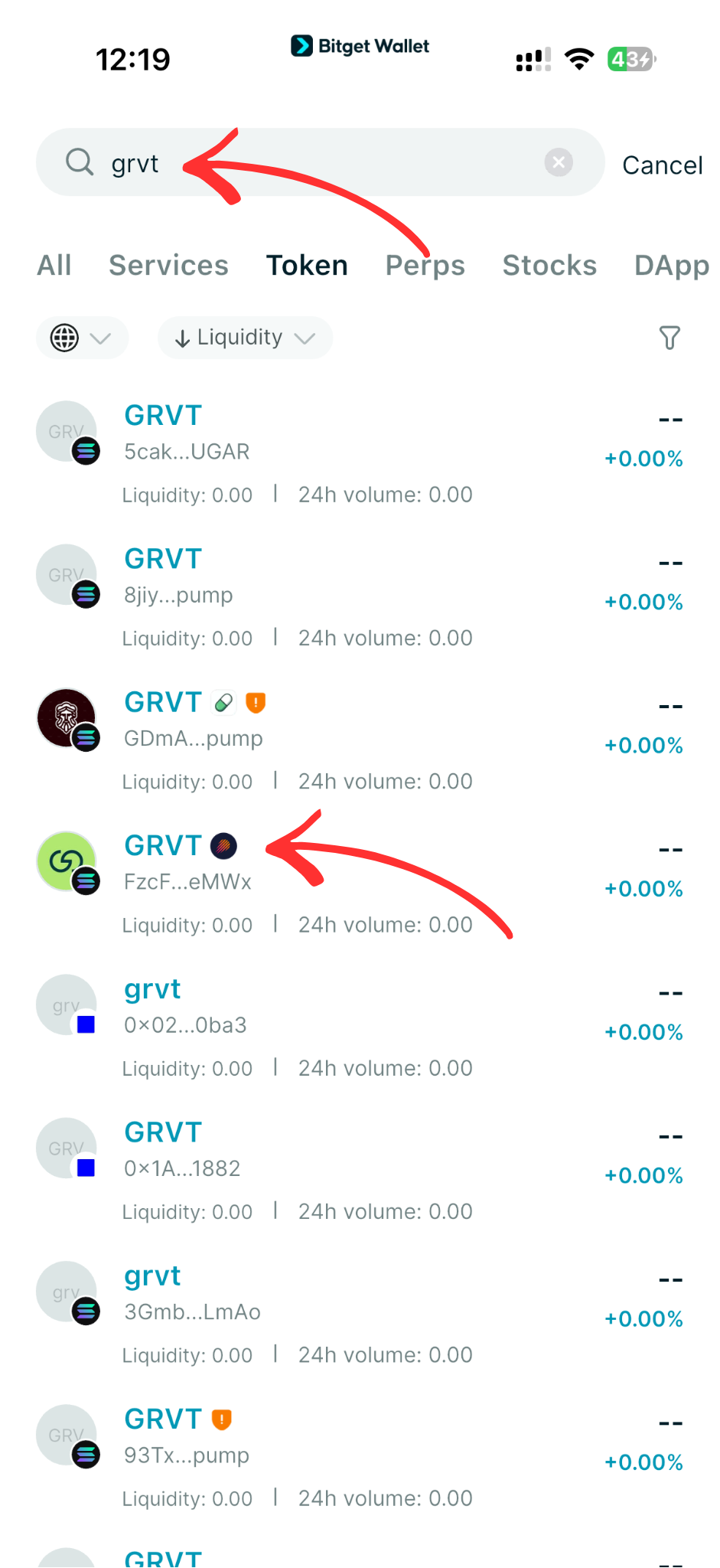
On the Bitget Wallet platform, go to the market area. Search for Gravity (GRVT) using the search function. Click on the token to access its trading page.
Step 4: Choose Your Trading Pair
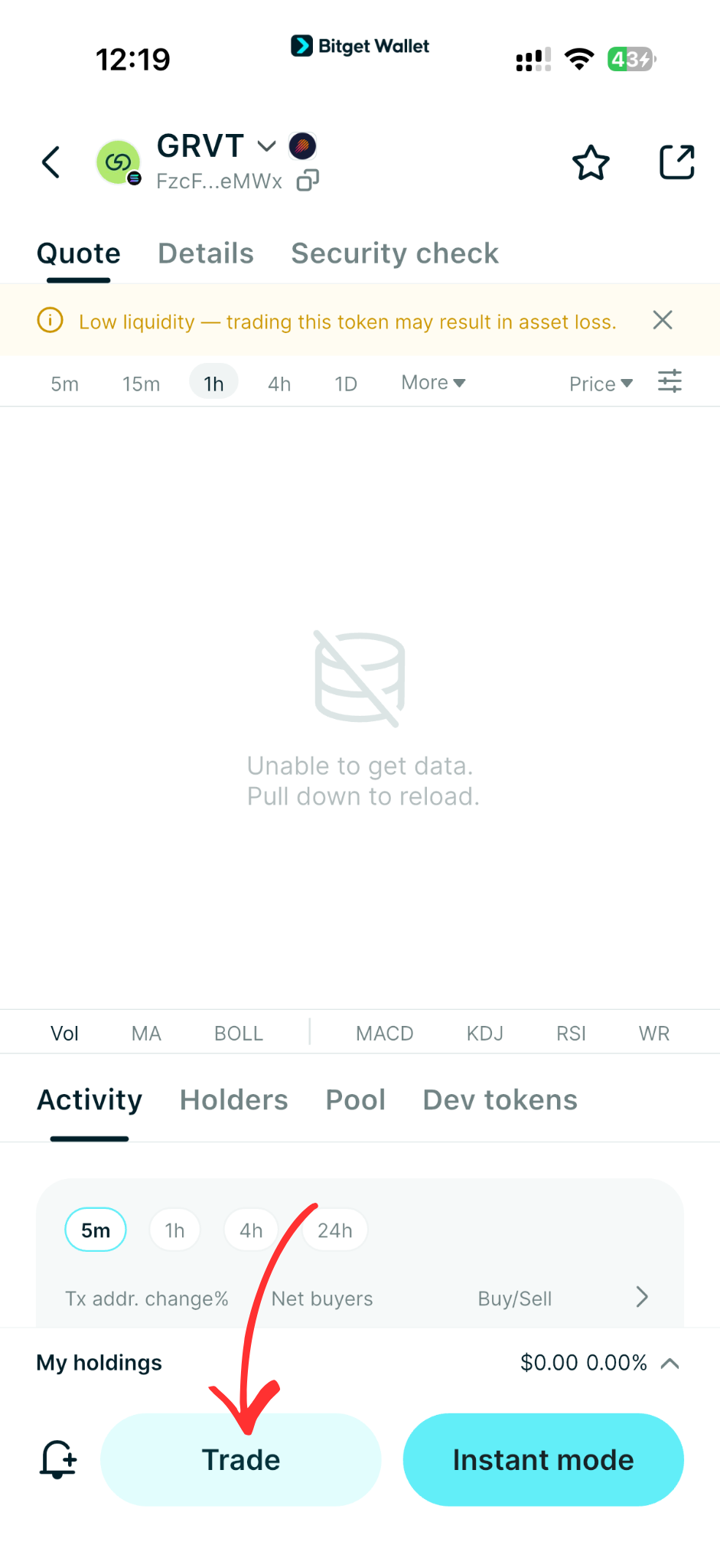
Select your trading pair you would like to deal with, for instance, GRVT/USDT. By doing this, you will be able to exchange Gravity (GRVT) for USDT or any other cryptocurrency.
Step 5: Place Your Order
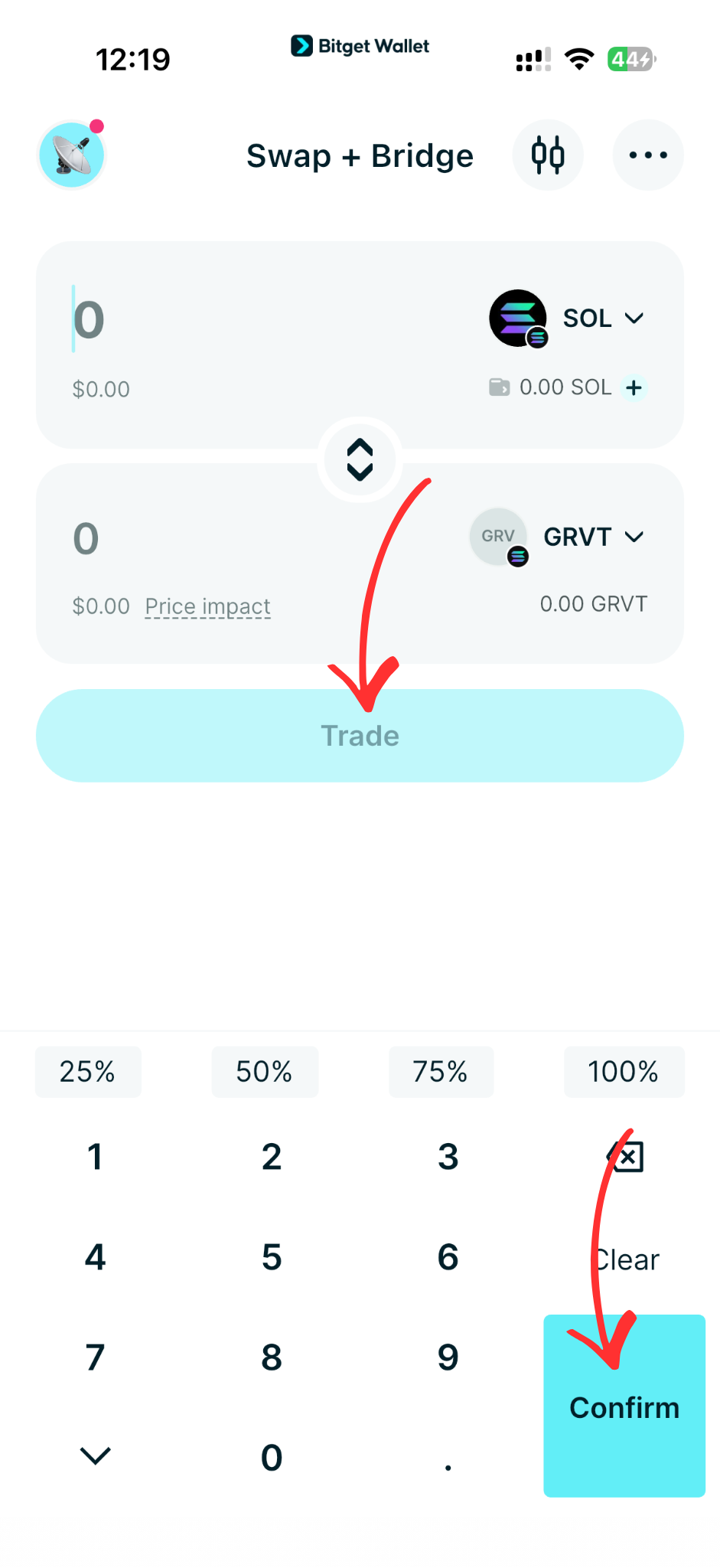
Choose whether to carry out a market order—either buy or sell at the prevailing rate—or place a limit order at your desired price. Fill in the amount of Gravity (GRVT) you want to exchange, then proceed to confirm in order to complete the trade.
Step 6: Monitor Your Trade
Once you have ordered, you can track the status of your order under "Open Orders." Upon completion of the order, you can view your balance to see the newly purchased Gravity (GRVT).
Step 7: Withdraw Your Funds (Optional)
If you want to transfer your Gravity (GRVT) or any other cryptocurrency to another wallet, go to the withdrawal section, provide your wallet address, and confirm the transaction.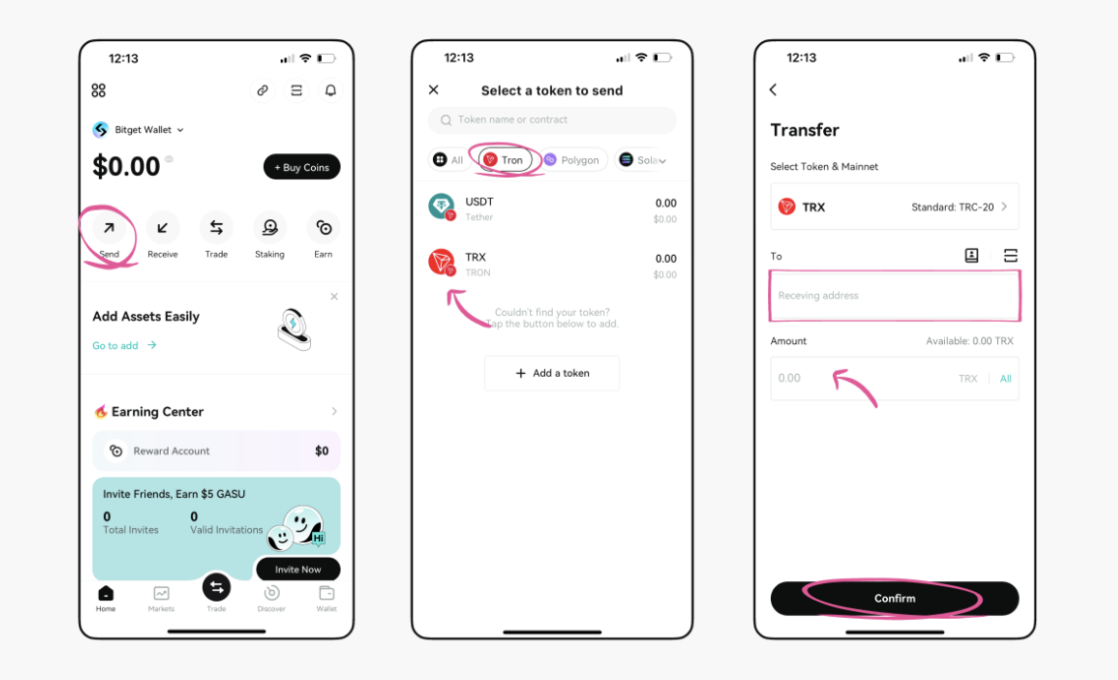
Conclusion
With its upcoming Token Generation Event and anticipated exchange listings, Gravity (GRVT) is preparing to enter a broader market, creating new opportunities for both early participants and future traders. As the project expands, its vision of bridging institutional finance with decentralized trading infrastructure aligns with the evolving landscape of blockchain-based derivatives markets.
For those looking to explore this growing ecosystem, now is the time to monitor official announcements, understand the token’s role within the platform, and stay informed about upcoming trading access. Following roadmap updates and ecosystem developments will be essential for anyone aiming to navigate opportunities around GRVT’s 2026 launch phase.
To ensure secure and seamless asset management, Bitget Wallet offers a trusted, high-performance solution for storing, trading, and managing digital assets across multiple chains. As the crypto market continues to evolve, having efficient tools and strong security is essential — and Bitget Wallet provides exactly that.
Download Bitget Wallet for faster cross-chain trending trades, perfect for beginners.
Sign up Bitget Wallet now - grab your $2 bonus!
FAQs
1. When is the GRVT listing date?
As of now, Gravity (GRVT) has not officially confirmed a public centralized exchange listing date. The key upcoming milestone is the Token Generation Event (TGE) expected in 2026. Exchange listing details, including exact dates and trading pairs, will be announced through official Gravity channels once finalized.
2. Which exchange will list GRVT first?
No exchange has officially announced a GRVT listing yet. Traders should rely only on verified announcements from Gravity or exchange platforms rather than unofficial sources or speculation.
3. What will the GRVT trading pair be?
The official trading pair has not been confirmed. If listed on major centralized exchanges, GRVT/USDT would be a common pairing structure, but this has not been formally announced.
4. How can I buy GRVT after listing?
Once listed, GRVT can typically be purchased by depositing USDT or another supported trading asset on the listing exchange, then trading under the announced pair. If liquidity launches on-chain, users may also trade through supported decentralized exchanges using a self-custody wallet.
5. Will there be a GRVT airdrop before listing?
Gravity has structured reward and incentive programs tied to platform participation. Token distribution is expected to occur during the Token Generation Event (TGE), and eligibility details are determined by the project’s official criteria.
Risk Disclosure
Please be aware that cryptocurrency trading involves high market risk. Bitget Wallet is not responsible for any trading losses incurred. Always perform your own research and trade responsibly.

 What is Zentra (ZNTR): How Does It Power Staking-Style Participation?2026-03-02 | 5mins
 How to Buy T-2049 in 2026: A Beginner’s Step-by-Step Guide to Token 20492026-03-03 | 5mins



