





What is a Zap Wallet?
A Zap wallet is a digital interface designed to interact with the Zap Protocol, an infrastructure solution built on the EVM (Ethereum Virtual Machine). By utilizing the EVM, Zap enables users to create and monetize their own data feeds and oracle networks. The protocol provides a decentralized marketplace where data providers can stake ZAP tokens to create data feeds, and consumers can access this data through smart contracts, ensuring transparency and verifiable information on the blockchain. Because it operates within the EVM ecosystem, your wallet acts as the gateway to manage ZAP tokens, interact with these decentralized oracle networks, and execute the transactions required to participate in the data economy.
Download Bitget Zap Wallet
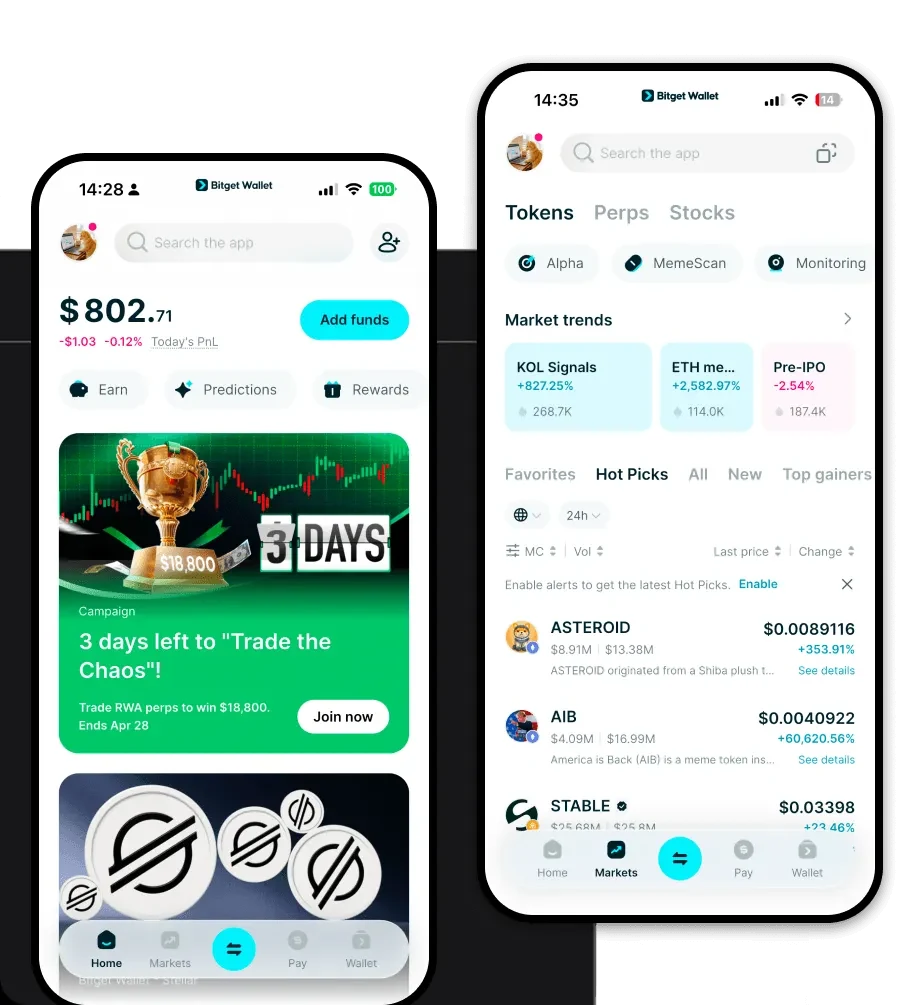
To fully engage with the Zap ecosystem, you need a robust, user-friendly tool. Bitget Wallet stands out as the premier choice for managing your assets, providing a seamless experience across iOS, Android, and browser extensions. It is essential to choose a platform that offers true self-custody, giving you full control over your private keys while ensuring compatibility with the vast EVM landscape. You can download Bitget Wallet to get started. Its multi-chain support ensures that you can manage your ZAP tokens alongside other assets without switching between different applications, making it the most reliable zap wallet app for both beginners and advanced users.
Why Choose Bitget Zap Wallet?
Choosing the right wallet for your ZAP tokens is critical for security and efficiency. Here is why Bitget Wallet is the preferred solution for the Zap infrastructure:
- Native EVM Compatibility: Bitget Wallet is built to handle EVM-based assets natively, ensuring that your interactions with Zap’s smart contracts are smooth, fast, and free from compatibility errors.
- Advanced Security Infrastructure: With a 300 million USD user protection fund, Bitget provides an extra layer of security, ensuring your assets are protected against unforeseen platform vulnerabilities.
- Efficient Gas Fee Management: Because Zap operates on the EVM, gas fees are a reality; Bitget Wallet provides real-time gas estimations and optimization tools to ensure you pay the lowest possible fees during peak network congestion.
- Seamless DApp Integration: The built-in DApp browser allows you to connect directly to the Zap marketplace without exposing your private keys to third-party sites, maintaining a high standard of security for your data feed operations.
- Comprehensive Asset Management: Beyond just ZAP, you can monitor your entire portfolio across hundreds of chains in one unified dashboard, making it the best wallet for Zap and other infrastructure tokens.
How to Create a Zap Wallet
Creating your wallet is a straightforward process that grants you full ownership of your ZAP tokens. Follow these steps to get started:
1. Download and Install: Visit the official website to download the Bitget Wallet app for your mobile device or browser.
2. Create a New Wallet: Open the app and select 'Create a New Wallet'. You will be prompted to set a strong, unique password for local device security.
3. Backup Your Recovery Phrase: This is the most important step. Write down your 12 or 24-word recovery phrase on paper and store it in a secure, offline location; never share this with anyone.
4. Verify Your Phrase: The app will ask you to re-enter the words to confirm you have backed them up correctly.
5. Add ZAP Token: Once your wallet is set up, use the 'Add Token' feature and search for the ZAP contract address on the EVM to make your balance visible in your dashboard.
What Can You Do With a Zap Wallet?
A Zap wallet is more than just a storage device; it is a tool for active participation in the Zap ecosystem. Here are the primary use cases:
- Staking for Oracle Node Operation: Users can stake ZAP tokens to operate oracle nodes, contributing to the network's security while earning potential rewards for providing reliable data.
- Purchasing Data Feeds: Consumers can use ZAP to purchase specific data feeds from the marketplace, ensuring their smart contracts receive verified and transparent off-chain information.
- Governance Voting: Token holders participate in governance voting, allowing the community to shape the future direction and parameters of the Zap Protocol.
- Providing Liquidity to Data Markets: ZAP holders can provide liquidity to data markets, facilitating efficient trading and ensuring that data providers and consumers can interact smoothly within the ecosystem.
- Building Decentralized Applications: Developers can leverage ZAP to build decentralized applications that require real-time, tamper-proof data feeds, enhancing the functionality of their smart contracts.
How Zap Wallets Are Different from Other Crypto Wallets
Not all wallets are created equal, especially when dealing with infrastructure tokens like ZAP. Unlike wallets designed for simple peer-to-peer payments, a Zap wallet must be fully integrated with the EVM account model. While Bitcoin wallets focus on UTXO management and simple address balances, a Zap wallet must handle smart contract state changes, allowance approvals for DApps, and complex transaction data. Because Zap relies on smart contract interactions for data feed monetization, your wallet must be able to simulate transactions before you sign them to prevent errors. Furthermore, the speed and cost-efficiency of your wallet are paramount; while other chains might offer different resource models, the EVM model used by Zap requires a wallet that excels at gas optimization and DApp connectivity, which is exactly why Bitget Wallet is optimized for this specific use case.
