



What is a Runes Wallet?
A Runes wallet is a digital interface designed to interact with the Runes protocol, a groundbreaking innovation built directly on the Bitcoin blockchain. Unlike older token standards that relied on complex or external indexing, the Runes protocol utilizes the Bitcoin network's native UTXO (Unspent Transaction Output) model to create and manage fungible tokens. This architecture allows for a cleaner, more streamlined way to handle assets without the bloat associated with previous standards like BRC-20.
Runes is a protocol on the Bitcoin blockchain designed to create and manage fungible tokens directly on the Bitcoin network using the UTXO model, offering a more efficient alternative to BRC-20. Bitget Wallet provides a secure and user-friendly platform for managing, storing, and exploring these assets. By utilizing a wallet built to support Bitcoin-native protocols, you ensure that your assets remain compatible with the core Bitcoin network architecture, minimizing on-chain footprint and maximizing efficiency.
Download Bitget Runes Wallet
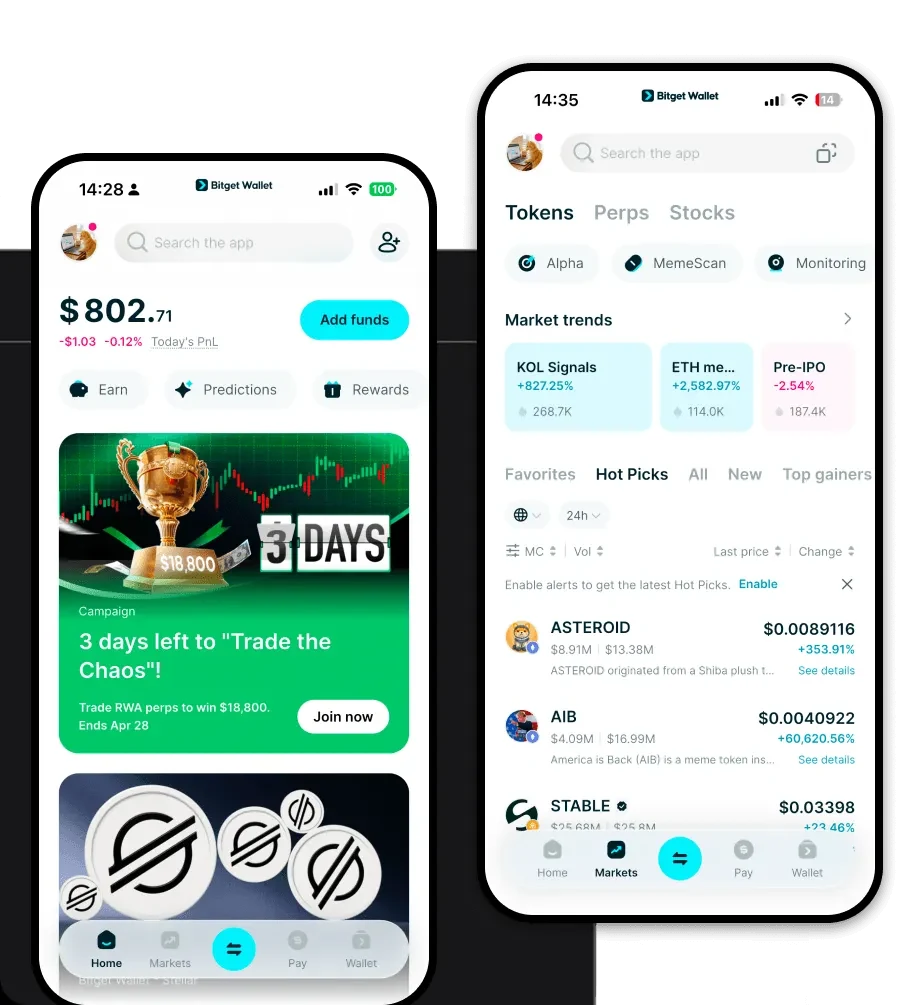
Getting started with your digital asset journey requires a reliable entry point. To access the full potential of the Runes ecosystem, you can download Bitget Wallet. This application serves as a comprehensive gateway, offering robust support for over 130 public chains and millions of tokens. Designed for both beginners and advanced users, Bitget Wallet provides true non-custodial ownership, meaning you maintain complete control over your private keys and your assets at all times.
Whether you are on the move or working from a desktop, Bitget Wallet has you covered. It is available as a mobile application for both iOS and Android, as well as a powerful browser extension. By choosing Bitget, you are opting for a platform that aggregates hundreds of DEXs and cross-chain bridges, ensuring that you can manage your Runes alongside your broader portfolio in a single, intuitive interface.
Why Choose Bitget Runes Wallet?
Selecting the right wallet for the Bitcoin network is critical, especially when dealing with UTXO-based protocols. Bitget Wallet stands out by offering specialized features tailored for this ecosystem:
- Bitcoin-Native Architecture Support: The wallet is specifically engineered to understand and process UTXO-based transactions, ensuring that your Runes assets are handled with the precision required by the Bitcoin network.
- Enhanced Security Infrastructure: With a $300 million user protection fund, Bitget Wallet provides a significant layer of security, safeguarding your assets against potential vulnerabilities while you explore the latest in the Runes ecosystem.
- Minimal On-Chain Footprint: By leveraging the efficiency of the Runes protocol, the wallet helps users optimize transaction sizes, which is essential for managing costs on the Bitcoin blockchain.
- Seamless Asset Management: Unlike generic wallets, Bitget provides a specialized view for your Runes, allowing you to track your holdings, see market trends, and manage your portfolio without the complexity of off-chain data dependencies.
How to Create a Runes Wallet
Setting up your Bitget Wallet to interact with the Runes protocol is a straightforward process designed to get you up and running quickly while prioritizing your security:
Step 1: Visit the official Bitget Wallet website and download the application or browser extension that fits your device.
Step 2: Open the app and select 'Create a New Wallet'. You will be prompted to set a strong password to protect your local access.
Step 3: Crucially, write down your mnemonic recovery phrase (seed phrase) and store it in a secure, offline location. Never share this phrase with anyone, as it is the master key to your funds.
Step 4: Once your wallet is initialized, navigate to the asset management section. Since Runes are native to the Bitcoin network, ensure your Bitcoin address is active and ready to receive assets.
Step 5: You are now ready to interact with the network. You can import existing Bitcoin addresses if you have used other wallets, or simply use your new Bitget address to start receiving and managing your Runes tokens.
What Can You Do With a Runes Wallet?
Having a capable wallet opens up a wide array of activities within the Bitcoin ecosystem. Here is how you can utilize your Bitget Wallet for Runes:
- Minting Tokens: You can participate in early-stage token launches by directly interacting with minting events on the Bitcoin network.
- Trading Digital Assets: Leverage the wallet's integrated features to swap and trade your Runes with other users seamlessly.
- Storing Assets in Non-Custodial Wallets: Enjoy peace of mind by keeping your Runes in a wallet where you hold the private keys, ensuring no third party has control over your funds.
- Engaging in Community-Driven Token Launches: Use your wallet to connect with platforms that host new projects, allowing you to stay at the forefront of the Runes ecosystem.
- Managing Bitcoin-Native Fungible Assets: Use the interface to keep a clear, organized view of all your Bitcoin-based fungible tokens, ensuring you can monitor performance and liquidity at a glance.
How Runes Wallets Are Different from Other Crypto Wallets
It is important to understand that not all wallets are built the same. When dealing with Runes, the differences lie in the underlying blockchain architecture. Unlike EVM-compatible wallets (like MetaMask) that rely on an 'Account/Balance' model, a Runes wallet must be capable of processing UTXO-based transactions.
This means your wallet needs to understand how to 'spend' and 'create' unspent outputs rather than simply updating a balance in a database. Furthermore, because Runes operate directly on Bitcoin, your wallet interacts with the Bitcoin network's unique fee structure and block times. While EVM wallets focus on gas fees for smart contract execution, a Runes-ready wallet like Bitget focuses on efficient transaction construction to minimize the footprint on the Bitcoin ledger, ensuring that your trading remains cost-effective even during periods of high network congestion.
