





What is a pnet Wallet?
A pnet wallet is a specialized digital interface designed to interact with the Paranet (PNET) network, which operates on the EVM (Ethereum Virtual Machine) blockchain architecture. As PNET is a decentralized computing network built to facilitate AI model training and data processing, your wallet acts as the essential gateway to manage your tokens, interact with network smart contracts, and participate in the broader ecosystem. According to the project specifications, PNET leverages decentralized infrastructure to provide scalable, cost-effective computing resources for developers and AI researchers, ensuring data privacy and efficient resource allocation. Because it is EVM-compatible, a pnet wallet is not just a storage vessel; it is a functional tool that allows you to interface with decentralized applications (dApps) that power the future of distributed AI computing.
Download Bitget pnet Wallet
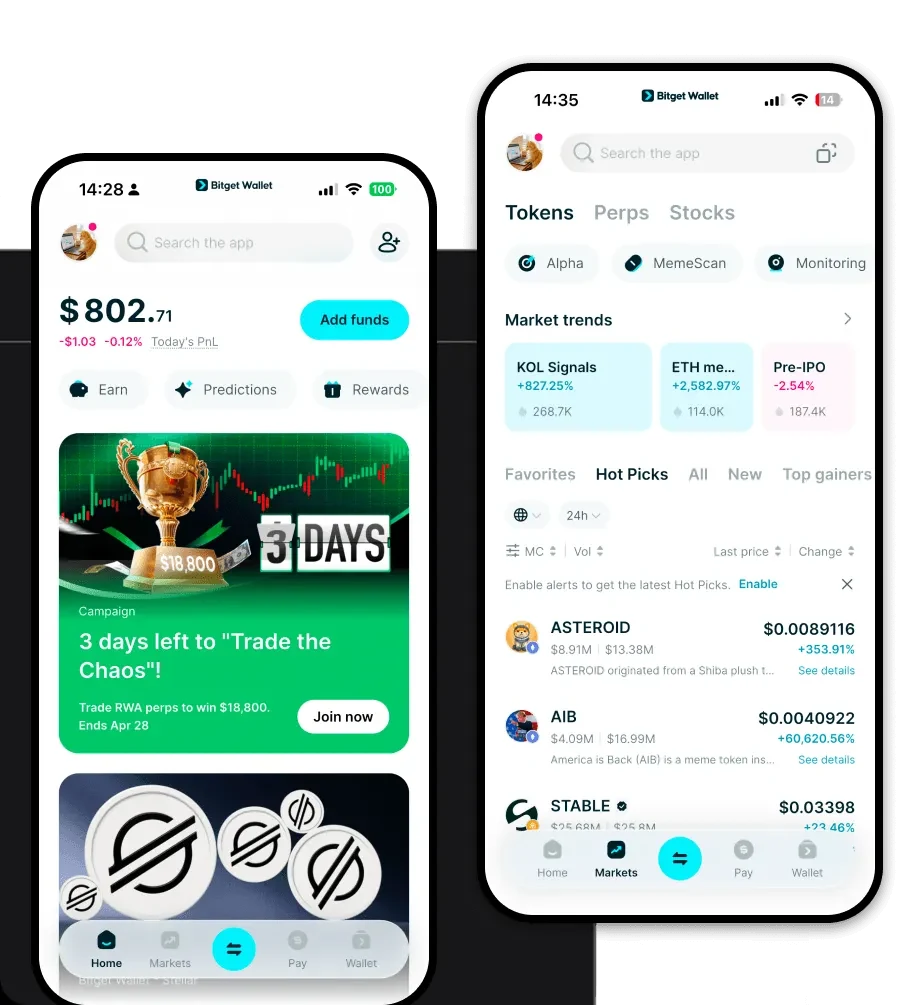
To securely manage your PNET tokens, you need a robust, self-custodial solution. Bitget Wallet stands out by offering a comprehensive experience that combines security with ease of use. Whether you are using a mobile device or a desktop browser, Bitget Wallet provides a seamless entry point into the EVM ecosystem. You can easily download Bitget Wallet to get started. The platform supports over 130+ blockchains and millions of tokens, ensuring that your PNET assets are always accessible alongside your other holdings. With full self-custody over your private keys, you remain the sole owner of your assets, while the intuitive interface makes managing complex EVM transactions, such as smart contract interactions for AI computing, simpler than ever before.
Why Choose Bitget pnet Wallet?
- Native EVM Compatibility: Bitget Wallet is built to handle the complexities of EVM chains, ensuring that your PNET transactions are processed efficiently with precise gas fee estimations, which is crucial for high-frequency computing tasks.
- Advanced AI Asset Management: The wallet interface is optimized for decentralized infrastructure tokens, allowing you to view and manage your PNET-related computing resources directly within the app.
- Robust Security Architecture: With an integrated 300 million USD user protection fund, Bitget Wallet provides an extra layer of defense against potential vulnerabilities, offering peace of mind when holding significant assets.
- Aggregated DApp Ecosystem: Bitget Wallet aggregates hundreds of DEXs and cross-chain bridges, meaning you can swap PNET or bridge assets to other EVM chains without leaving the application.
- Privacy-Focused Infrastructure: Designed for users who prioritize data privacy, the wallet ensures that your interaction with decentralized computing networks remains secure and private.
How to Create a pnet Wallet
Creating your pnet wallet with Bitget is a streamlined process designed for both beginners and advanced users:
1. Download and Install: Visit the official website or your app store to download Bitget Wallet and install it on your iOS, Android, or browser extension platform.
2. Initialize the Wallet: Open the app and select 'Create a New Wallet' to generate a unique set of seed phrases. Ensure you write these down on paper and store them offline; never share them with anyone.
3. Backup Your Seed Phrase: Complete the verification step by re-entering your seed phrase to ensure you have backed it up correctly. This is the only way to recover your assets if you lose access to your device.
4. Add PNET to Your Assets: Since PNET is an EVM token, you can manually add the contract address or use the 'Search' function in Bitget Wallet to add PNET to your main dashboard for easy tracking.
5. Fund Your Wallet: Copy your public wallet address and send PNET or the native gas token (e.g., ETH) to your wallet to begin interacting with the Paranet ecosystem.
What Can You Do With a pnet Wallet?
Owning a pnet wallet opens up a world of utility within the Paranet ecosystem. Here is how you can utilize your assets:
- Computing Power Rental: You can use your wallet to lease out your idle hardware resources to the network, earning rewards in exchange for providing scalable computing power to developers.
- AI Model Training: Participate directly in decentralized AI development by using your PNET tokens to pay for and support large-scale AI model training tasks on the network.
- Staking for Network Security: Lock your PNET tokens in the network's staking protocols to contribute to the overall security and consensus of the Paranet infrastructure while earning yield.
- Governance Voting: Use your wallet to participate in decentralized governance by voting on key proposals that shape the future development and resource allocation strategies of the Paranet.
- Decentralized Data Processing: Utilize your wallet to facilitate secure data processing tasks, ensuring that your sensitive information remains private while leveraging the network's decentralized infrastructure.
How pnet Wallets Are Different from Other Crypto Wallets
Because the PNET ecosystem is built on the EVM, the wallet experience differs significantly from non-EVM chains. Unlike Bitcoin wallets that rely on the UTXO (Unspent Transaction Output) model, a pnet wallet uses an account-based model. This means your balance is tracked as a single state on the blockchain, which is far more efficient for complex smart contract operations required for AI computing. Furthermore, while some blockchains rely on complex resource models (like EOS's CPU/RAM), PNET on the EVM utilizes a standard gas fee structure. This makes transaction costs predictable and compatible with existing DeFi tools. Bitget Wallet optimizes this by providing deep integration with EVM gas estimation, ensuring you never overpay for your decentralized computing transactions.
